
That Grinding, Squeaking, or Banging Sound Isn't Normal
If you live in Lake Orion and your garage door has started making sounds that wake up the entire household, you're not alone. Noisy garage doors are one of the most common complaints we hear from homeowners, and the good news is that most causes are identifiable and fixable. The bad news? Ignoring the noise can lead to bigger — and more expensive — problems down the road.
At Lake Orion Overhead Garage Door, we've diagnosed and repaired thousands of noisy garage doors throughout Lake Orion, Orion Township, Oxford, and the surrounding areas. In this guide, we'll walk you through the most common reasons your garage door is making loud noises and what you can do to restore peace and quiet.
1. Worn or Dry Rollers
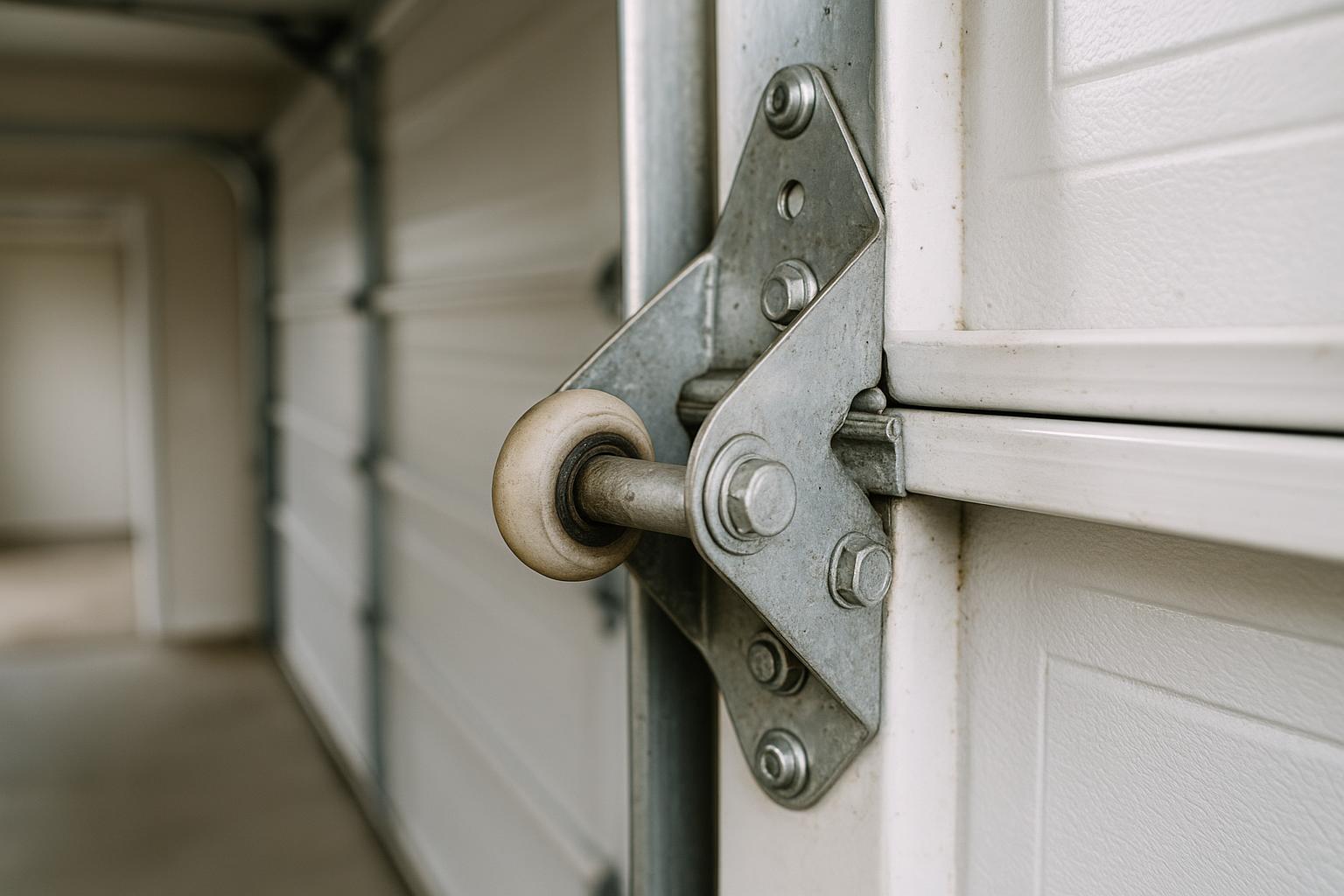
Garage door rollers are small wheels that guide your door along the tracks as it opens and closes. Over time, these rollers wear down, and the bearings inside them can dry out. When that happens, you'll hear a persistent squeaking, squealing, or grinding noise every time the door moves.
The fix: Metal rollers with exposed bearings can sometimes be lubricated with a garage door-specific lubricant (not WD-40, which is a degreaser, not a lubricant). However, if the rollers are visibly worn, cracked, or chipped, they need to be replaced. Upgrading to nylon rollers is a popular choice among Lake Orion homeowners because they operate much more quietly and don't require regular lubrication.
2. Loose Hardware
Your garage door moves up and down hundreds of times a year. All that vibration gradually loosens nuts, bolts, hinges, and brackets throughout the system. Loose hardware creates a rattling or vibrating sound that can be surprisingly loud, especially in an attached garage where the sound travels into your living space.
The fix: Periodically inspect and tighten all the hardware on your garage door using a socket wrench. Pay special attention to the hinges, roller brackets, and the bolts that secure the track to the wall and ceiling. Be careful not to overtighten, as that can strip the holes or warp the components.
3. Unbalanced or Worn Springs
Garage door springs bear the heavy lifting — literally. They counterbalance the weight of the door so your opener doesn't have to do all the work. When springs begin to wear out or lose tension, the door can become unbalanced. This often produces a loud banging or popping sound, particularly when the door starts to move or changes direction.
The fix: Spring repair and replacement is not a DIY job. Garage door springs are under extreme tension and can cause serious injury if handled improperly. If you suspect your springs are the source of the noise, call a professional. Our team at Lake Orion Overhead Garage Door handles spring replacements safely and efficiently, often completing the job in under an hour.
4. Misaligned or Damaged Tracks
The metal tracks on either side of your garage door need to be properly aligned for smooth, quiet operation. If a track gets bumped, bent, or shifts out of alignment, the door can scrape, grind, or produce a rubbing noise as it moves. In severe cases, the door may even get stuck or come off the track entirely.
The fix: Inspect the tracks visually for obvious bends, gaps, or debris. Minor obstructions like dirt, leaves, or small stones can be cleaned out easily. However, if the track itself is bent or misaligned, it's best to have a technician assess and correct it. Forcing a door along a damaged track can cause additional harm to the rollers, cables, and panels.
5. An Aging or Struggling Garage Door Opener
If the noise seems to be coming from the motor unit mounted on your ceiling rather than the door itself, your garage door opener may be the culprit. Chain-drive openers are notoriously loud, especially as they age. You might hear a loud clanking or rattling sound as the chain vibrates during operation.
The fix: For chain-drive openers, lubricating the chain can reduce some noise. However, if your opener is more than 15 years old or is struggling to lift the door, it may be time for a replacement. Many homeowners in Rochester Hills, Auburn Hills, and Clarkston who upgrade to a belt-drive opener are amazed at how much quieter their garage becomes. Belt-drive models use a reinforced rubber belt instead of a metal chain, dramatically reducing operational noise.
6. Lack of Lubrication
This is one of the simplest and most overlooked causes of a noisy garage door. Moving metal parts need lubrication to operate smoothly. Without it, you'll hear metal-on-metal contact that produces squeaking, grinding, and creaking sounds.
The fix: Apply a silicone-based or lithium-based garage door lubricant to the following components at least twice a year:
- Rollers (if they have bearings)
- Hinges (at the pivot points)
- Springs (along the coils)
- Bearing plates at the top of the door
- The lock mechanism
Avoid using grease or general-purpose sprays like WD-40, as they can attract dirt and grime that make the problem worse over time.
7. Worn or Fraying Cables
Garage door cables work in tandem with the springs to raise and lower the door in a controlled manner. When cables begin to fray or wear, they can snap against other components and create a slapping or twanging noise. Fraying cables are also a safety hazard because a broken cable can cause the door to drop suddenly.
The fix: Like springs, cables are under significant tension and should only be replaced by a trained professional. If you notice any fraying, rust, or slack in your cables, don't wait — call for service before the cable fails completely.
When Should You Call a Professional?
Some garage door noises can be resolved with basic maintenance like tightening hardware and applying lubricant. But if the noise persists after these steps, or if you notice any of the following, it's time to call in a professional:
- The door shakes or vibrates excessively during operation
- The door moves unevenly or appears crooked
- You hear a loud snap or pop followed by the door not opening
- Visible damage to springs, cables, or tracks
- The opener strains or hesitates when lifting the door
Addressing these issues early prevents small problems from turning into costly repairs or complete door replacements.
Keep Your Garage Door Running Quietly
A noisy garage door is your home telling you something needs attention. Whether it's a simple lubrication issue or a worn-out spring that needs replacing, taking action sooner rather than later protects your investment and keeps your household running smoothly.
If you're in Lake Orion or any of the surrounding communities and you're tired of the racket every time your garage door opens, give Lake Orion Overhead Garage Door a call. We'll diagnose the problem, explain your options, and get your door operating quietly again — often in a single visit.